

Facelift
A Facelift (Rhytidectomy) is a cosmetic surgical procedure designed to reduce visible signs of facial ageing by lifting and repositioning facial tissues and removing excess skin. It can improve sagging skin and facial contours while maintaining a natural appearance.
Why Choose us?
Value
Focused care
0+
Cosmetology & Dermatology Doctors
1+
Facelift
12+
Hospitals Around the world
100%
Privacy protected
Overview
1. What is a Facelift?
A facelift, medically known as rhytidectomy, tightens and repositions deeper facial tissues and removes excess skin to improve sagging cheeks, jawline and neck contours.
2. When is it Recommended?
It may be considered for adults with facial skin laxity, sagging cheeks, jowls, deep folds around the nose and mouth or loss of definition along the jawline and neck.
3. What Concerns May a Patient Notice?
Patients commonly seek treatment because of sagging facial skin, jowls, loose neck skin, deep facial folds or loss of a defined jawline associated with ageing.
4. What Does the Treatment Involve?
The surgeon makes carefully positioned incisions, usually around the hairline and ears, lifts and repositions underlying facial tissues, removes or redistributes excess skin and closes the incisions to create a smoother, more supported facial contour.
5. What Are the Main Treatment Options?
Options include full facelift, mini facelift, lower facelift and neck lift. A facelift may also be combined with procedures such as blepharoplasty (eyelid surgery), brow lift or facial fat grafting, depending on the patient's goals.
6. How Long Does Treatment & Recovery Take?
A facelift commonly takes around 2–4 hours, depending on the technique and whether additional procedures are performed. Hospitalisation may be day-care or overnight, while significant swelling and bruising generally improve over 2–4 weeks. Final results continue to develop over several months.
7. What Are the Important Risks or Considerations?
A facelift is an established cosmetic procedure, but possible complications include bleeding, infection, scarring, temporary or permanent nerve weakness, asymmetry, skin healing problems and recurrence of facial laxity. Individual risks depend on the surgical technique and patient's health.
8. Why Consider Treatment in India?
India has specialised plastic and cosmetic surgery centres offering advanced facelift techniques, facial rejuvenation procedures and comprehensive postoperative care with experienced plastic surgeons.
9. How Can Medavelle Help?
Medavelle can assist with photograph and medical-history review, plastic surgeon and hospital coordination, procedure selection, surgical planning, international patient arrangements and postoperative follow-up coordination.
10. What Should the Patient Do Next?
Share your photographs → Plastic surgeon evaluation → Facial assessment → Procedure recommendation → Treatment planning in India.
Top Cosmetology & Dermatology Hospitals
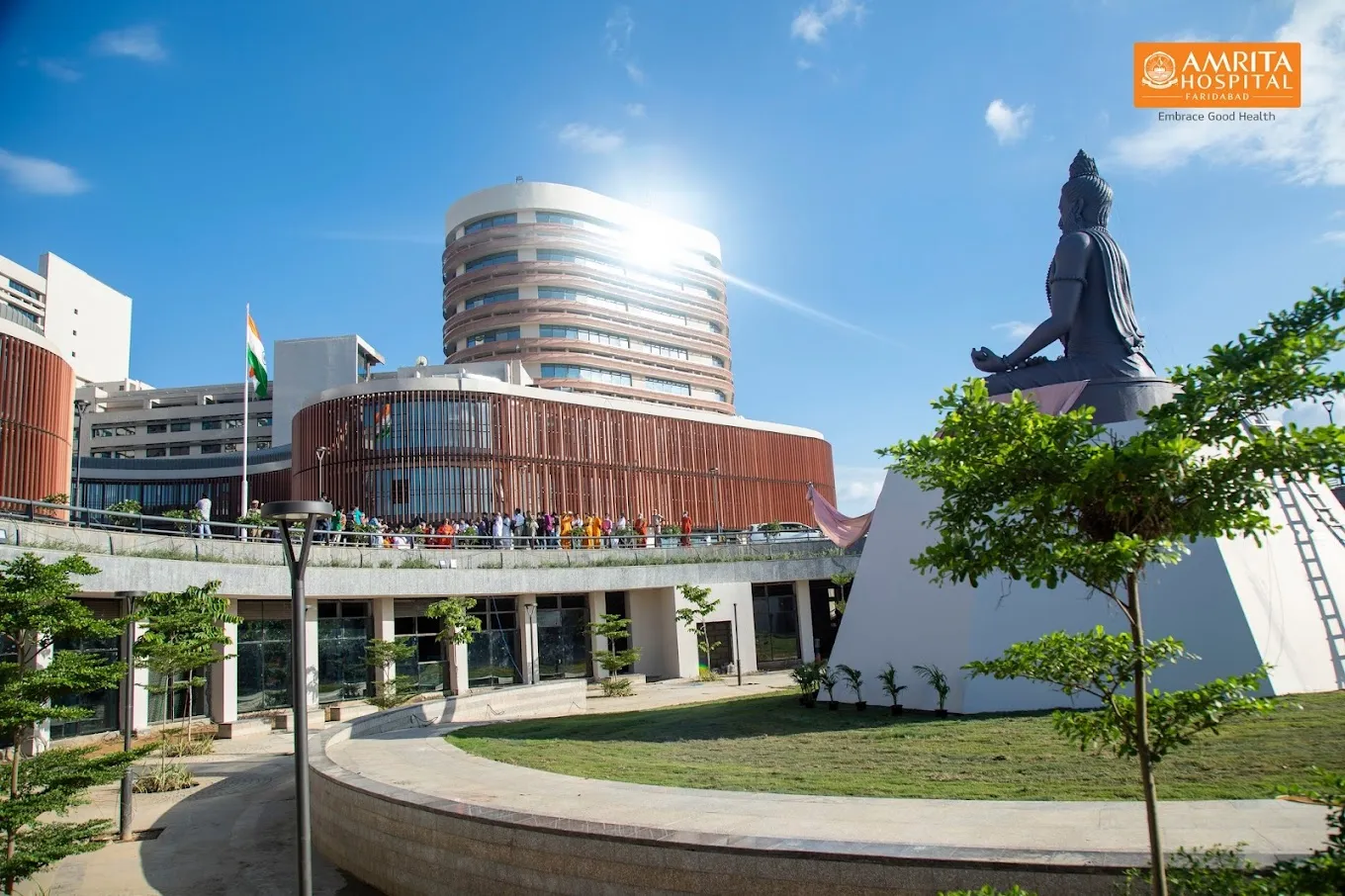
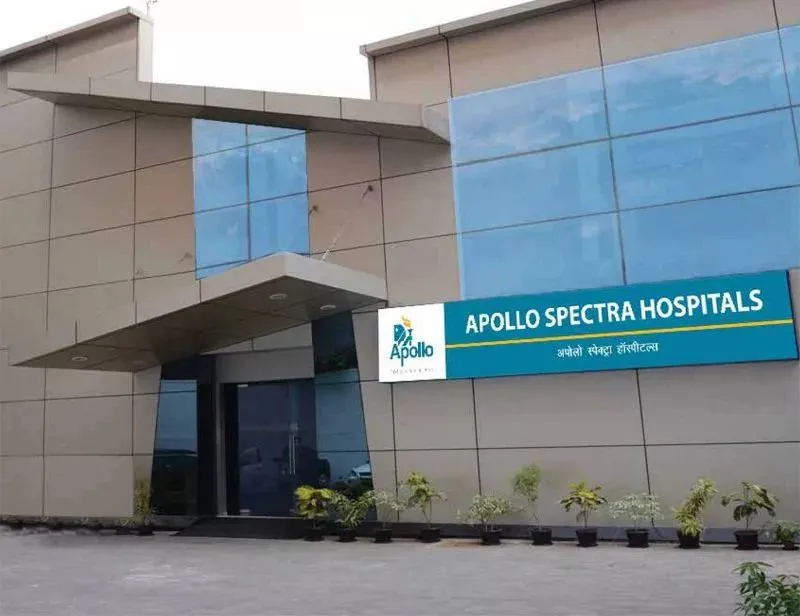
World-class healthcare facilities specializing in Facelift with state-of-the-art technology
Expert Doctors for Facelift
Board-certified specialists with experience in cosmetology & dermatology treatment planning