
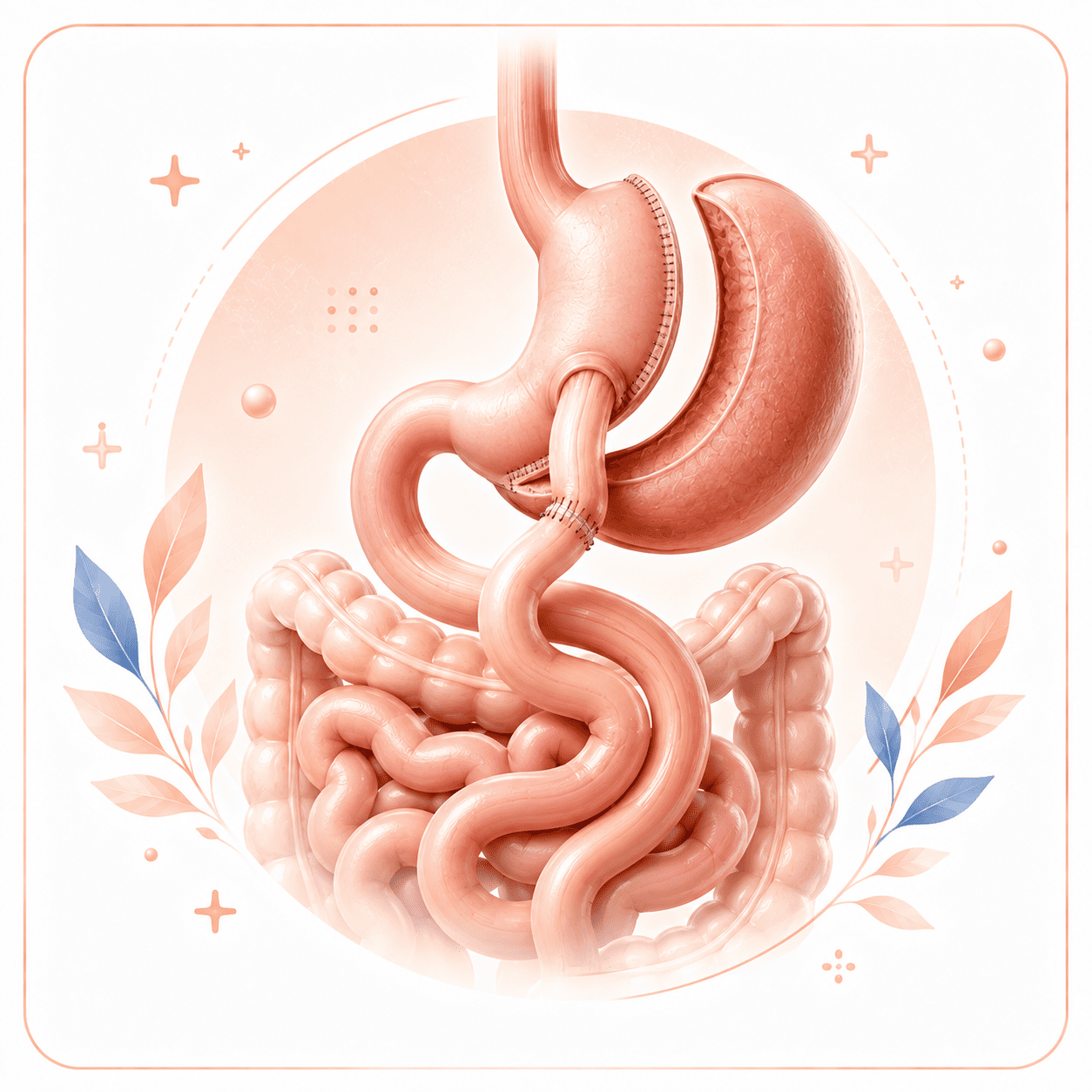
Gastric Bypass / MGB
Gastric Bypass / MGB (Mini Gastric Bypass) is a type of bariatric surgery used to achieve significant and sustained weight loss. The procedure creates a smaller stomach pouch and connects it to a lower section of the small intestine, reducing food intake and changing nutrient absorption.
Why Choose us?
Value
Focused care
0+
GI & Bariatric Doctors
1+
Gastric Bypass / MGB
12+
Hospitals Around the world
100%
Privacy protected
Overview
1. What is Gastric Bypass / MGB?
MGB, also known as One-Anastomosis Gastric Bypass (OAGB), creates a narrow stomach pouch and connects it directly to the small intestine through a single surgical connection. This reduces the amount of food the patient can consume and alters nutrient absorption.
2. When is it Recommended?
It may be recommended for people with severe obesity, particularly when lifestyle changes and non-surgical weight-management approaches have not produced adequate results, or when obesity is associated with conditions such as Type 2 diabetes, high blood pressure or obstructive sleep apnoea.
3. What Symptoms or Concerns May a Patient Notice?
Patients with severe obesity may experience difficulty losing weight, reduced mobility, breathlessness, joint problems, diabetes, high blood pressure, sleep apnoea or reduced quality of life.
4. What Does the Treatment Involve?
The surgeon creates a smaller stomach pouch and connects it to the small intestine. The procedure is usually performed using laparoscopic or robotic-assisted techniques, resulting in smaller abdominal incisions than traditional open surgery.
5. What Are the Main Treatment Options?
Bariatric procedures include MGB/OAGB, Roux-en-Y Gastric Bypass (RYGB), sleeve gastrectomy and adjustable gastric banding. The most appropriate procedure depends on the patient's BMI, medical conditions, eating patterns, previous surgeries and treatment goals.
6. How Long Does Treatment & Recovery Take?
MGB commonly takes around 1–2 hours. Hospitalisation is usually around 2–4 days, depending on recovery. Patients can generally resume light activities within 1–2 weeks, while full recovery and adaptation to the new diet may take several weeks.
7. What Are the Important Risks or Considerations?
MGB can result in substantial weight loss and improvement of obesity-related conditions. Potential complications include bleeding, infection, leakage, ulcers, bile reflux, nutritional deficiencies and bowel-related complications. Long-term vitamin and mineral supplementation and medical follow-up are important.
8. Why Consider Treatment in India?
India has specialised bariatric and metabolic surgery centres offering laparoscopic and robotic weight-loss procedures, nutritional support and multidisciplinary obesity management.
9. How Can Medavelle Help?
Medavelle can assist with medical report review, bariatric surgeon and hospital coordination, procedure selection, preoperative evaluation, nutritional planning, international patient arrangements and postoperative follow-up.
10. What Should the Patient Do Next?
Share your medical reports & BMI → Bariatric evaluation → Obesity & metabolic assessment → Procedure recommendation → Treatment planning in India.
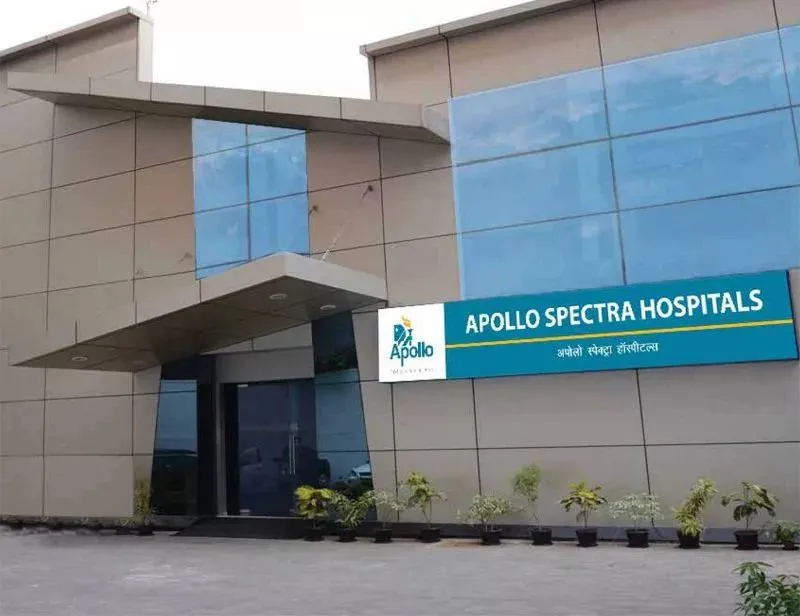
Top GI & Bariatric Hospitals
World-class healthcare facilities specializing in Gastric Bypass / MGB with state-of-the-art technology

Expert Doctors for Gastric Bypass / MGB
Board-certified specialists with experience in gi & bariatric treatment planning