

HOLEP (Large Prostate Glands)
HoLEP (Holmium Laser Enucleation of the Prostate) is a minimally invasive laser procedure particularly well suited for treating large prostate glands affected by Benign Prostatic Hyperplasia (BPH). It removes the enlarged prostate tissue causing urinary obstruction while preserving the outer prostate capsule.
Why Choose us?
Value
Focused care
0+
Nephrology & Urology Doctors
1+
HOLEP (Large Prostate Glands)
12+
Hospitals Around the world
100%
Privacy protected
Overview
1. What is HoLEP for Large Prostate Glands?
HoLEP uses a holmium laser to separate and remove the enlarged inner portion of the prostate that obstructs urine flow. It can remove a substantial volume of prostate tissue, making it suitable for patients with very large prostates.
2. When is it Recommended?
It may be recommended for men with large prostate glands causing weak urine flow, difficulty urinating, frequent urination, urinary retention, recurrent urinary infections, bladder stones or significant lower urinary tract symptoms.
3. What Symptoms May a Patient Notice?
Common symptoms include difficulty starting urination, weak or interrupted urine stream, frequent or urgent urination, waking at night to urinate, incomplete bladder emptying and urinary retention.
4. What Does the Treatment Involve?
The surgeon passes the laser instrument through the urethra and uses the holmium laser to enucleate the enlarged prostate tissue. The tissue is pushed into the bladder, fragmented using a morcellator and removed through the urinary passage.
5. What Are the Main Treatment Options?
For large prostates, options may include HoLEP, simple prostatectomy, robotic-assisted simple prostatectomy and other advanced laser procedures. HoLEP may offer a minimally invasive alternative to open or robotic prostate surgery in appropriately selected patients.
6. How Long Does Treatment & Recovery Take?
The procedure commonly takes around 1–3 hours, although very large prostates may require longer. Hospitalisation is generally 1–2 days, with catheter removal usually occurring within a short period. Many patients can gradually resume normal activities within 1–2 weeks.
7. What Are the Important Risks or Considerations?
Possible complications include temporary blood in the urine, urinary burning, urinary infection, urgency, temporary urinary leakage, urethral narrowing and bladder-neck narrowing. Retrograde ejaculation is common following HoLEP.
8. Why Consider Treatment in India?
India has specialised high-volume urology centres offering advanced laser prostate procedures for large glands, supported by experienced urologists, modern laser technology and minimally invasive surgical facilities.
9. How Can Medavelle Help?
Medavelle can assist with prostate imaging and report review, urologist and hospital coordination, assessment of prostate size and urinary obstruction, HoLEP planning, international patient arrangements and postoperative follow-up.
10. What Should the Patient Do Next?
Share your prostate reports → Urologist evaluation → Prostate-size & obstruction assessment → HoLEP suitability evaluation → Treatment planning in India.
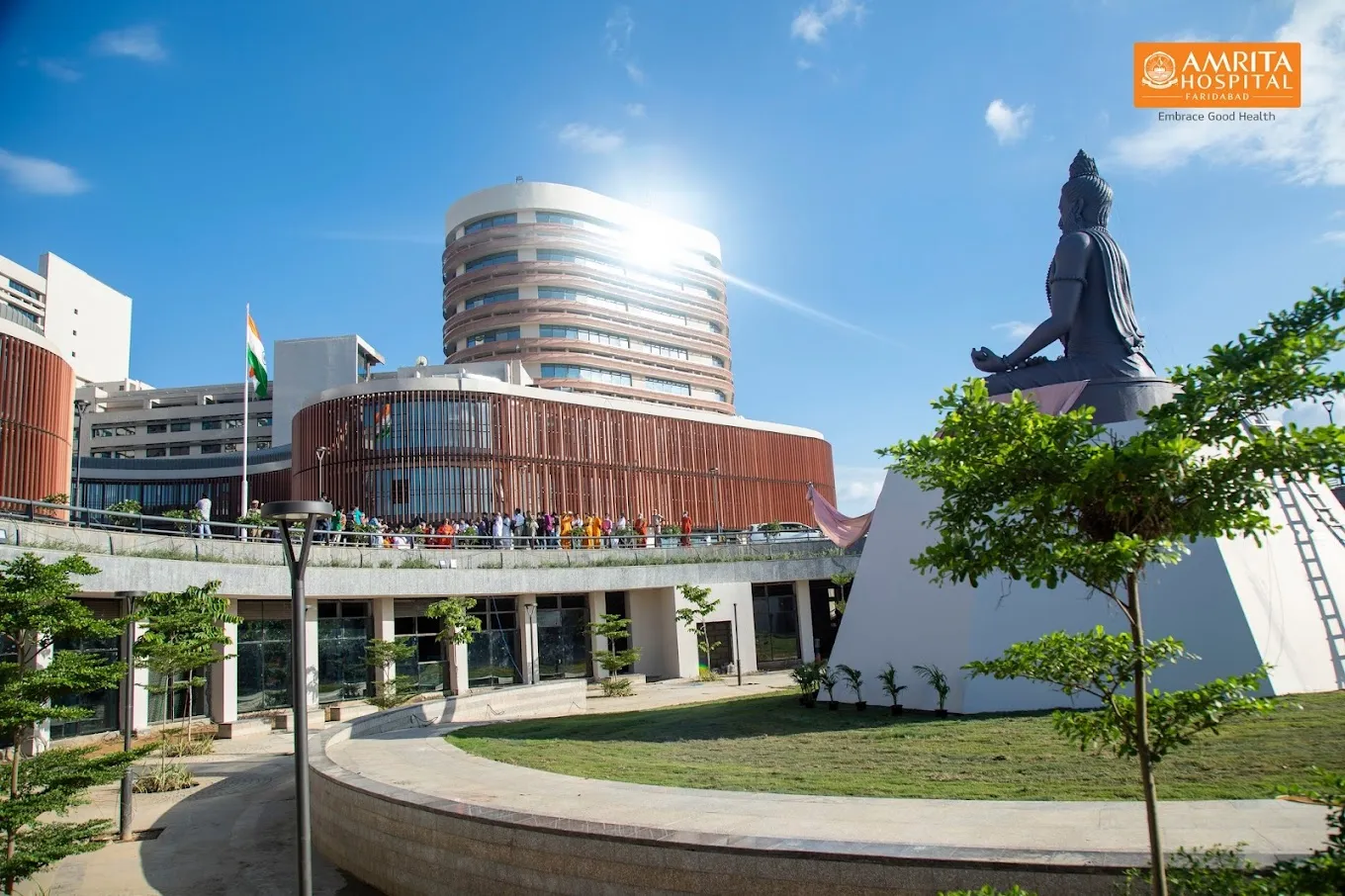
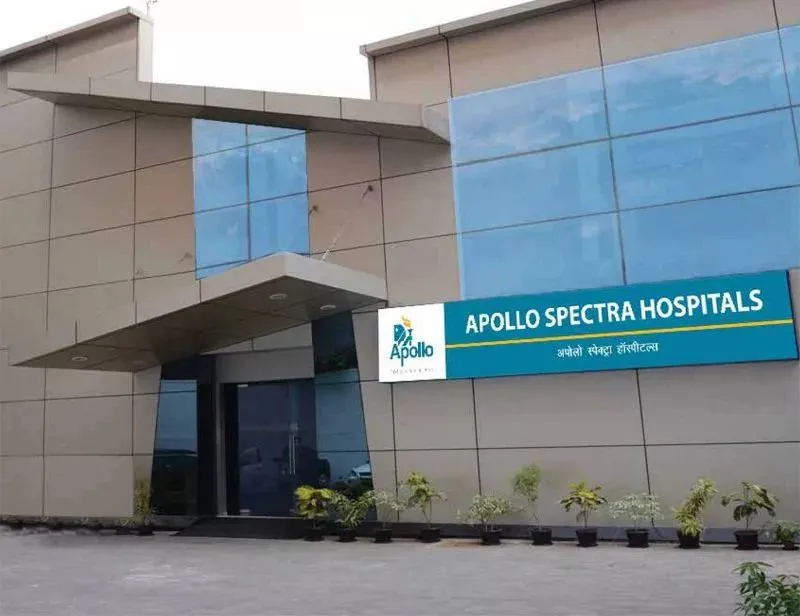
Top Nephrology & Urology Hospitals
World-class healthcare facilities specializing in HOLEP (Large Prostate Glands) with state-of-the-art technology
Expert Doctors for HOLEP (Large Prostate Glands)
Board-certified specialists with experience in nephrology & urology treatment planning