
Craniotomy
Craniotomy is a neurosurgical procedure in which a section of the skull is temporarily removed to allow the surgeon to access the brain. It may be performed to remove a tumour, treat bleeding, repair blood vessels, manage pressure or address other brain conditions.
Why Choose us?
Value
Focused care
0+
Neuro / Spine Doctors
1+
Craniotomy
12+
Hospitals Around the world
100%
Privacy protected
Overview
1. What is Craniotomy?
A craniotomy involves creating an opening in the skull so the neurosurgeon can safely access the brain and perform the required treatment. The bone is generally replaced and secured after the procedure.
2. When is it Recommended?
It may be recommended for conditions such as brain tumours, brain haemorrhage, blood-vessel abnormalities, traumatic brain injuries, brain abscesses or other conditions requiring direct surgical access to the brain.
3. What Symptoms May a Patient Notice?
Symptoms depend on the underlying condition and may include persistent headaches, seizures, weakness, numbness, difficulty speaking, vision changes, balance problems, confusion or changes in memory and behaviour.
4. What Does the Treatment Involve?
The surgeon creates a carefully planned opening in the skull, treats the underlying brain condition and then replaces and secures the bone flap. The exact surgical approach depends on the condition and its location.
5. What Are the Main Treatment Options?
Depending on the condition, surgery may involve tumour removal, hematoma evacuation, aneurysm clipping, vascular malformation treatment, abscess drainage or decompression. Minimally invasive approaches may be possible in selected patients.
6. How Long Does Treatment & Recovery Take?
Hospitalisation commonly ranges from 3–10 days, although emergency or complex procedures may require longer. Initial recovery generally takes several weeks, while neurological recovery may continue for several months depending on the underlying condition.
7. What Are the Important Risks or Considerations?
Craniotomy is an established neurosurgical procedure, but risks depend heavily on the condition being treated and the location of surgery. Potential complications include bleeding, infection, seizures, brain swelling, cerebrospinal fluid leakage and temporary or permanent neurological problems.
8. Why Consider Treatment in India?
India has specialised neurosurgery and neuro-oncology centres offering complex brain surgery with advanced imaging, surgical navigation, intraoperative monitoring, neurocritical care and specialised rehabilitation.
9. How Can Medavelle Help?
Medavelle can assist with brain imaging and medical report review, neurosurgeon and hospital coordination, surgical planning, international patient arrangements and postoperative rehabilitation coordination.
10. What Should the Patient Do Next?
Share your brain scans/reports → Neurosurgical evaluation → Diagnosis & surgical assessment → Treatment recommendation → Treatment planning in India.
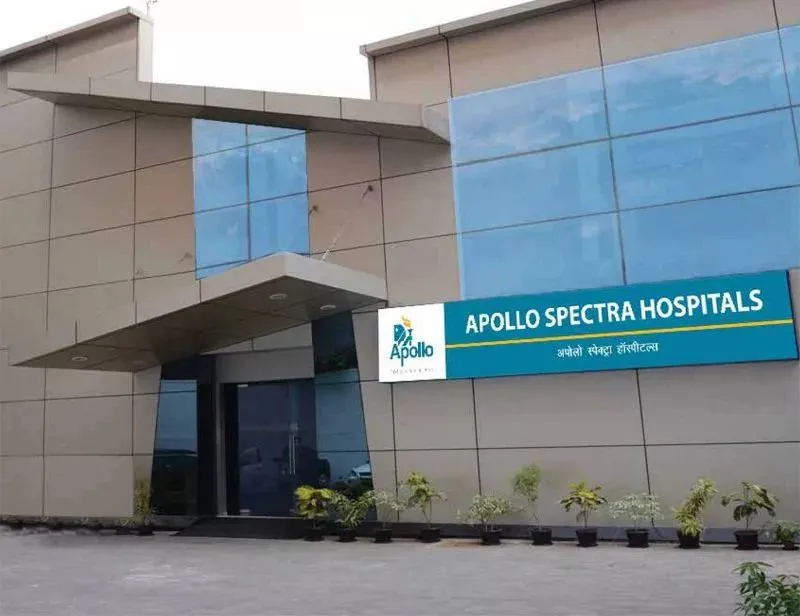
Top Neuro / Spine Hospitals
World-class healthcare facilities specializing in Craniotomy with state-of-the-art technology

Expert Doctors for Craniotomy
Board-certified specialists with experience in neuro / spine treatment planning