
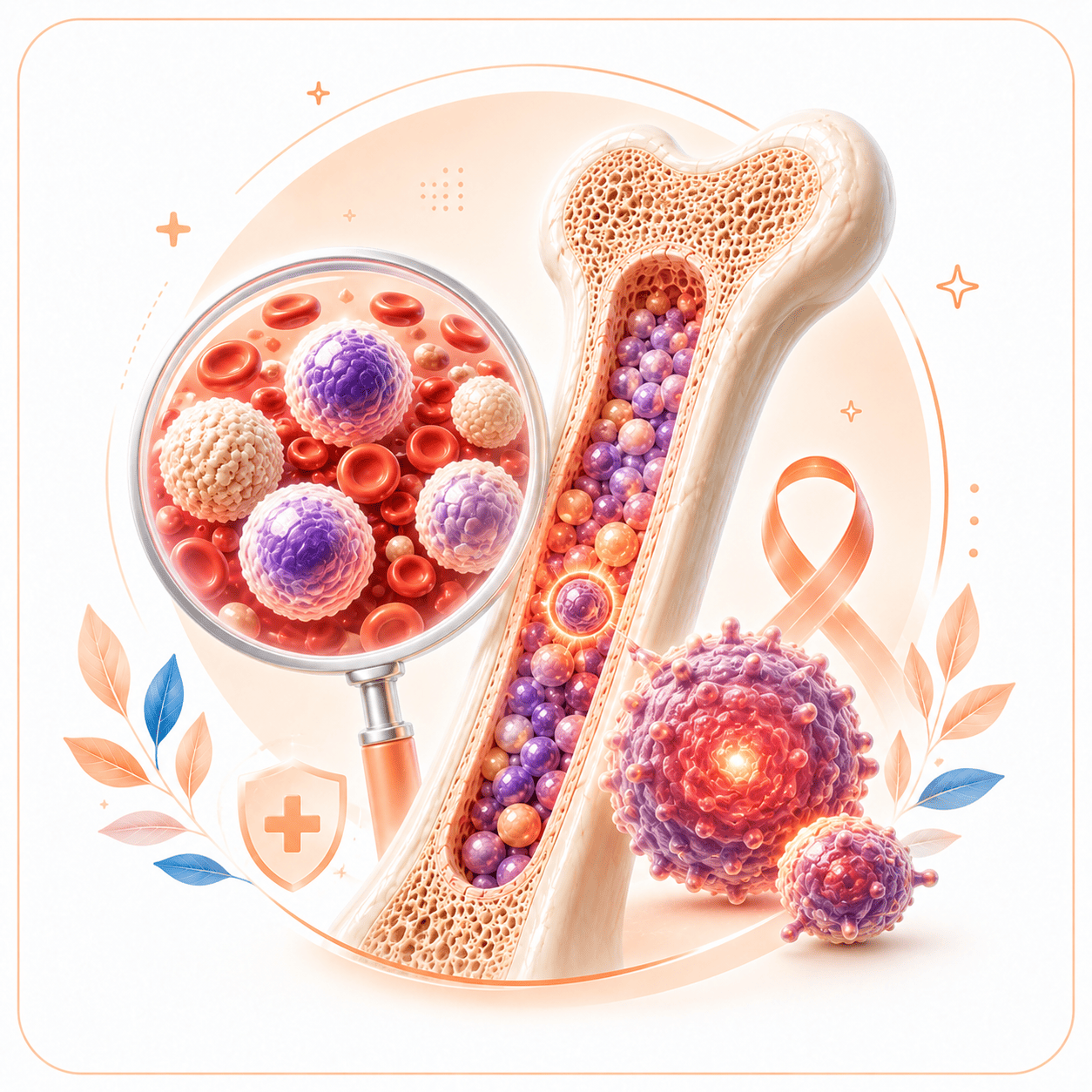
Blood Cancer
Blood cancer refers to cancers that affect the blood, bone marrow or lymphatic system. The main types include leukaemia, lymphoma and multiple myeloma. Treatment depends on the specific diagnosis and may include chemotherapy, targeted therapy, immunotherapy, radiation therapy or stem cell transplantation.
Why Choose us?
Value
Focused care
4+
Oncology Doctors
1+
Blood Cancer
12+
Hospitals Around the world
100%
Privacy protected
Overview
1. What is Blood Cancer?
Blood cancers develop when abnormal blood cells grow uncontrollably and interfere with the normal production and function of healthy blood cells.
The major types include:
- Leukaemia – primarily affects blood-forming cells and bone marrow
- Lymphoma – affects the lymphatic system and lymphocytes
- Multiple Myeloma – affects plasma cells in the bone marrow
2. When is Treatment Recommended?
Treatment is recommended after a detailed diagnosis confirms the type and extent of blood cancer. The treatment approach depends on:
- Specific type and subtype of cancer
- Stage or disease extent
- Genetic and molecular characteristics
- Age and general health
- Previous treatment history
Some slow-growing blood cancers may initially be managed with careful monitoring before active treatment is required.
3. What Symptoms May Occur?
Symptoms vary depending on the type of blood cancer but may include:
- Persistent fatigue
- Fever or recurrent infections
- Unexplained weight loss
- Night sweats
- Easy bruising or bleeding
- Enlarged lymph nodes
- Bone pain
- Shortness of breath
These symptoms can also occur in other medical conditions and require proper medical evaluation.
4. How is Blood Cancer Diagnosed?
Investigations may include:
Blood tests → Peripheral blood examination → Bone marrow aspiration/biopsy → Flow cytometry → Cytogenetic and molecular testing → CT/PET-CT or other imaging → Specialist evaluation
Accurate classification is essential because different blood cancers require very different treatments.
5. What Are the Main Treatment Options?
Depending on the diagnosis, treatment may include:
- Chemotherapy
- Targeted therapy
- Immunotherapy
- Monoclonal antibody treatment
- Radiation therapy
- CAR-T cell therapy for selected patients
- Bone marrow or stem cell transplantation
- Supportive treatments such as blood transfusions and infection management
The oncology team develops an individualised treatment plan.
6. How Long Does Treatment Take?
Treatment duration varies significantly.
Some treatments may be completed over several weeks or months, while others require long-term maintenance therapy or follow-up. Stem cell transplantation involves a more intensive treatment and recovery period.
7. What Are the Possible Risks or Side Effects?
Possible treatment-related effects may include:
- Low blood cell counts
- Increased infection risk
- Fatigue
- Nausea and vomiting
- Hair loss with certain chemotherapy medicines
- Bleeding risk
- Immune-related complications
- Organ-specific side effects
The exact risks depend on the treatment and individual patient's condition.
8. Why Consider Blood Cancer Treatment in India?
India has specialised haematology and oncology centres offering:
- Advanced blood and bone marrow testing
- Molecular and genetic diagnostics
- Chemotherapy and targeted therapy
- Immunotherapy
- Bone marrow and stem cell transplantation
- Dedicated haematology and oncology teams
- Multidisciplinary cancer care
9. How Can Medavelle Help?
Medavelle can assist with:
Medical-record review → Haematology/oncology specialist coordination → Hospital selection → Treatment planning → Cost estimation → International patient arrangements.
10. What Should the Patient Do Next?
Share blood & pathology reports → Haematology evaluation → Diagnosis confirmation → Personalised treatment planning → Treatment in India → Follow-up care.
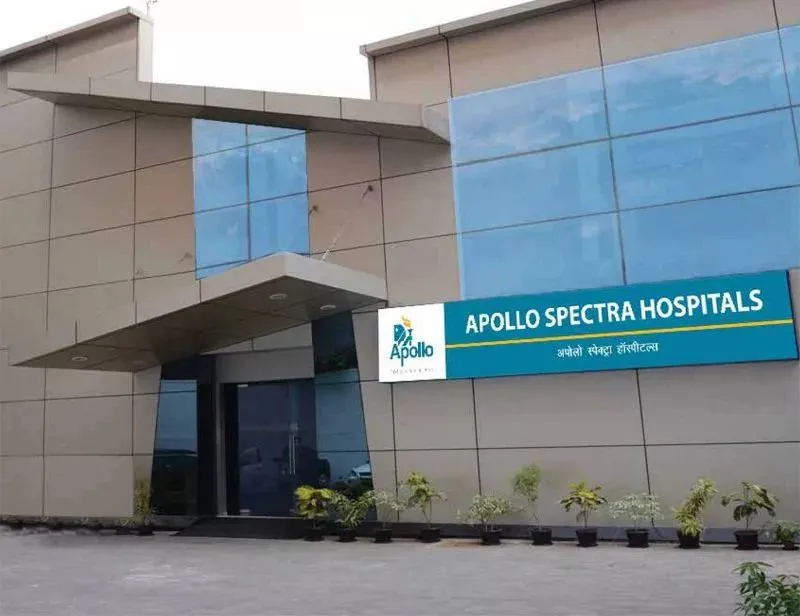
Top Oncology Hospitals
World-class healthcare facilities specializing in Blood Cancer with state-of-the-art technology

Expert Doctors for Blood Cancer
Board-certified specialists with experience in oncology treatment planning