

Glaucoma
Glaucoma is a group of eye conditions that can damage the optic nerve, often associated with increased pressure inside the eye. Without appropriate treatment, progressive optic-nerve damage can lead to permanent vision loss.
Why Choose us?
Value
Focused care
0+
Ophthalmology Doctors
1+
Glaucoma
12+
Hospitals Around the world
100%
Privacy protected
Overview
1. What is Glaucoma?
Glaucoma occurs when the optic nerve becomes damaged, often because the pressure inside the eye is too high for that particular eye. Damage can progressively affect the patient's peripheral and eventually central vision.
2. When is Treatment Recommended?
Treatment is recommended when glaucoma is diagnosed or when a patient has a significant risk of developing optic-nerve damage. Early treatment is important because vision already lost from glaucoma generally cannot be restored.
3. What Symptoms May a Patient Notice?
Early glaucoma often causes no noticeable symptoms. As the disease progresses, patients may develop gradual loss of peripheral vision, difficulty seeing in low light or, in advanced cases, significant visual impairment. Acute angle-closure glaucoma can cause severe eye pain, redness, blurred vision, halos around lights, headache, nausea or vomiting and requires urgent medical attention.
4. What Does the Treatment Involve?
Treatment aims to reduce intraocular pressure (IOP) and prevent further optic-nerve damage. Depending on the condition, treatment may involve eye drops, laser procedures or surgery.
5. What Are the Main Treatment Options?
Treatment options include glaucoma eye drops, laser trabeculoplasty, laser peripheral iridotomy, minimally invasive glaucoma surgery (MIGS), trabeculectomy and glaucoma drainage devices. The appropriate treatment depends on the type and severity of glaucoma.
6. How Long Does Treatment & Recovery Take?
Eye-drop treatment is ongoing and requires regular monitoring. Laser procedures are often performed as day-care treatments, while glaucoma surgery may require several weeks for the eye to stabilise and vision to recover.
7. What Are the Important Risks or Considerations?
Glaucoma treatment can slow or prevent further vision loss, but existing optic-nerve damage is generally permanent. Possible treatment-related complications vary according to the procedure and may include inflammation, infection, bleeding, changes in eye pressure or visual disturbances.
8. Why Consider Treatment in India?
India has specialised ophthalmology and glaucoma centres offering advanced diagnostic testing, laser treatment, minimally invasive glaucoma surgery and conventional glaucoma surgery supported by experienced ophthalmologists.
9. How Can Medavelle Help?
Medavelle can assist with eye-report review, glaucoma specialist coordination, hospital selection, treatment planning, surgical or laser coordination and postoperative follow-up.
10. What Should the Patient Do Next?
Share your eye reports → Glaucoma specialist evaluation → Eye-pressure & optic-nerve assessment → Treatment recommendation → Treatment planning in India.
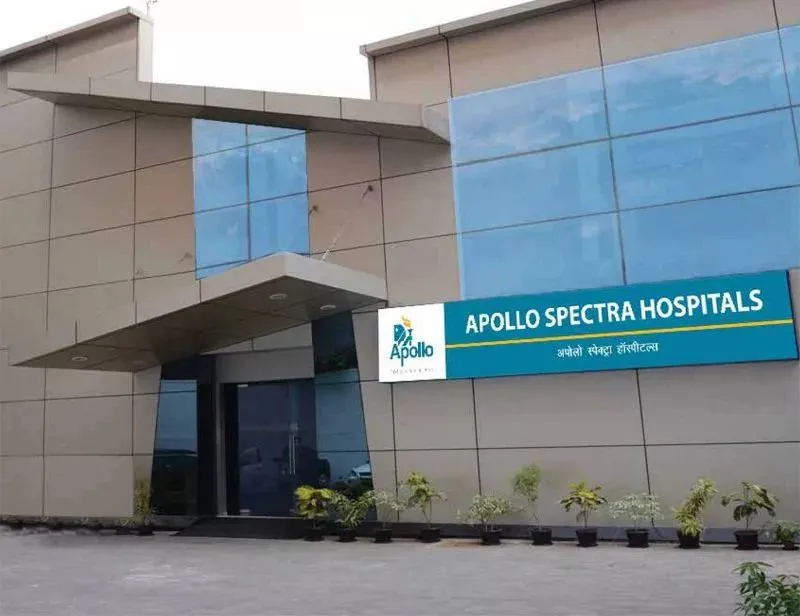
Top Ophthalmology Hospitals
World-class healthcare facilities specializing in Glaucoma with state-of-the-art technology

Expert Doctors for Glaucoma
Board-certified specialists with experience in ophthalmology treatment planning