

Pediatric Liver Transplantation
Pediatric liver transplantation is a life-saving procedure in which a severely diseased liver is replaced with a healthy donor liver or part of a donor liver.
Why Choose us?
Value
Focused care
0+
Organ Transplant Doctors
1+
Pediatric Liver Transplantation
12+
Hospitals Around the world
100%
Privacy protected
Overview
1. What is Pediatric Liver Transplantation?
Pediatric liver transplantation is performed when a child's liver is severely damaged or fails to function adequately and other treatments cannot provide sufficient long-term benefit.
The diseased liver is removed and replaced with:
- A whole liver from a deceased donor, where available and legally permitted
- A portion of liver from a living donor
- A split liver in selected circumstances
The liver has the ability to regenerate, allowing a portion of a healthy donor liver to grow and function after transplantation.
2. When is Pediatric Liver Transplantation Recommended?
A transplant may be considered for conditions such as:
- Biliary atresia
- Acute liver failure
- Chronic liver failure
- Metabolic liver disorders
- Certain genetic liver diseases
- Progressive cholestatic liver diseases
- Selected liver tumours
- Other severe paediatric liver conditions
The decision is made by a specialised paediatric hepatology and transplant team.
3. How Is the Child Evaluated Before Transplantation?
Evaluation may include:
- Paediatric hepatology consultation
- Liver-function tests
- Blood tests and clotting profile
- Blood-group testing
- Ultrasound and Doppler studies
- CT or MRI scans
- Heart and lung evaluation
- Infection screening
- Nutritional and growth assessment
- Assessment for complications of liver disease
Potential living donors undergo a separate comprehensive medical and legal evaluation.
4. What Does the Transplant Process Involve?
The general treatment pathway includes:
Paediatric hepatology evaluation → Liver disease assessment → Transplant suitability evaluation → Donor assessment → Blood-group and compatibility evaluation → Transplant planning → Preoperative preparation → Liver transplantation → Paediatric ICU care → Hospital recovery → Immunosuppressive treatment → Long-term transplant follow-up
The exact process varies depending on the child's condition and donor availability.
5. What Types of Pediatric Liver Transplant Are Available?
Depending on the child's condition and donor availability, transplantation may involve:
- Living-donor liver transplantation
- Deceased-donor liver transplantation
- Split-liver transplantation
- Other specialised graft techniques in selected cases
The transplant team determines the most suitable option.
6. How Long Does Surgery and Recovery Take?
Pediatric liver transplantation is a major and complex procedure.
Typical considerations include:
- Surgery: often approximately 6–12 hours or longer
- Paediatric ICU stay: varies depending on recovery
- Hospital stay: commonly several weeks
- Initial recovery: continues for several weeks after discharge
- Long-term follow-up: lifelong monitoring is required
Recovery varies significantly depending on the child's age, underlying disease and postoperative progress.
7. What Are the Expected Benefits and Outcomes?
For suitable children, liver transplantation may:
- Replace a severely damaged liver
- Restore essential liver function
- Improve growth and nutritional status
- Improve energy and daily functioning
- Prevent or treat life-threatening complications of liver failure
- Provide the opportunity for long-term survival and improved quality of life
Outcomes depend on the underlying disease, timing of transplantation, donor factors and postoperative recovery.
8. What Are the Risks or Considerations?
Potential risks include:
- Bleeding
- Infection
- Blood-vessel complications
- Bile-duct complications
- Blood clots
- Liver rejection
- Side effects of immunosuppressive medicines
- Kidney complications
- Need for additional procedures or surgery
- Rarely, graft failure
The transplant team carefully monitors the child for these complications.
9. Why Consider Pediatric Liver Transplantation in India?
India has specialised transplant centres offering:
- Experienced paediatric hepatologists and liver transplant surgeons
- Living-donor liver transplant programmes
- Advanced paediatric operating facilities
- Dedicated paediatric ICUs
- Paediatric anaesthesia and critical-care support
- Comprehensive donor evaluation
- Long-term transplant follow-up and immunosuppression management
10. How Can Medavelle Help and What Should the Patient Do Next?
Medavelle can assist with:
Medical-record review → Paediatric hepatology coordination → Transplant-centre selection → Specialist evaluation → Donor and recipient assessment coordination → Treatment planning → Cost estimation → International patient arrangements.
Next step: Share liver-function tests & medical reports → Paediatric transplant evaluation → Diagnosis and transplant assessment → Donor evaluation where applicable → Transplant planning → Pediatric liver transplantation → ICU and hospital recovery → Long-term follow-up.
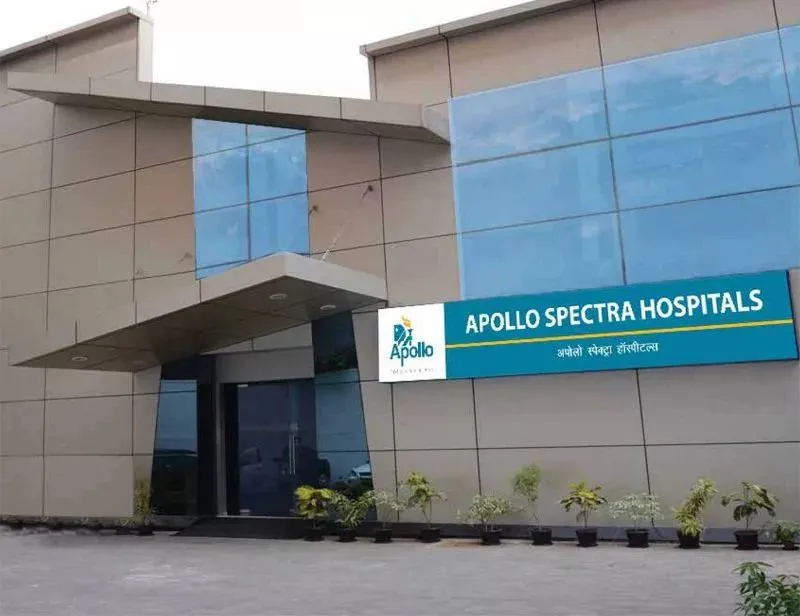
Top Organ Transplant Hospitals
World-class healthcare facilities specializing in Pediatric Liver Transplantation with state-of-the-art technology

Expert Doctors for Pediatric Liver Transplantation
Board-certified specialists with experience in organ transplant treatment planning